The short version
- Walls in living rooms and bedrooms: eggshell. Soft, forgiving, wipes clean enough for real life.
- Kitchens, bathrooms and hallways: satin. Handles moisture, steam and the thousand little touches.
- Trim, doors and baseboards: semi-gloss. Crisp edges, scrubbable, and it makes the woodwork look intentional.
- Ceilings: flat in living rooms and bedrooms — it hides roller marks and drywall seams. In kitchens and bathrooms, step up to a washable matte rated for moisture: steam finds every weakness flat paint has.
Why it matters
The room-by-room matrix
Light changes everything
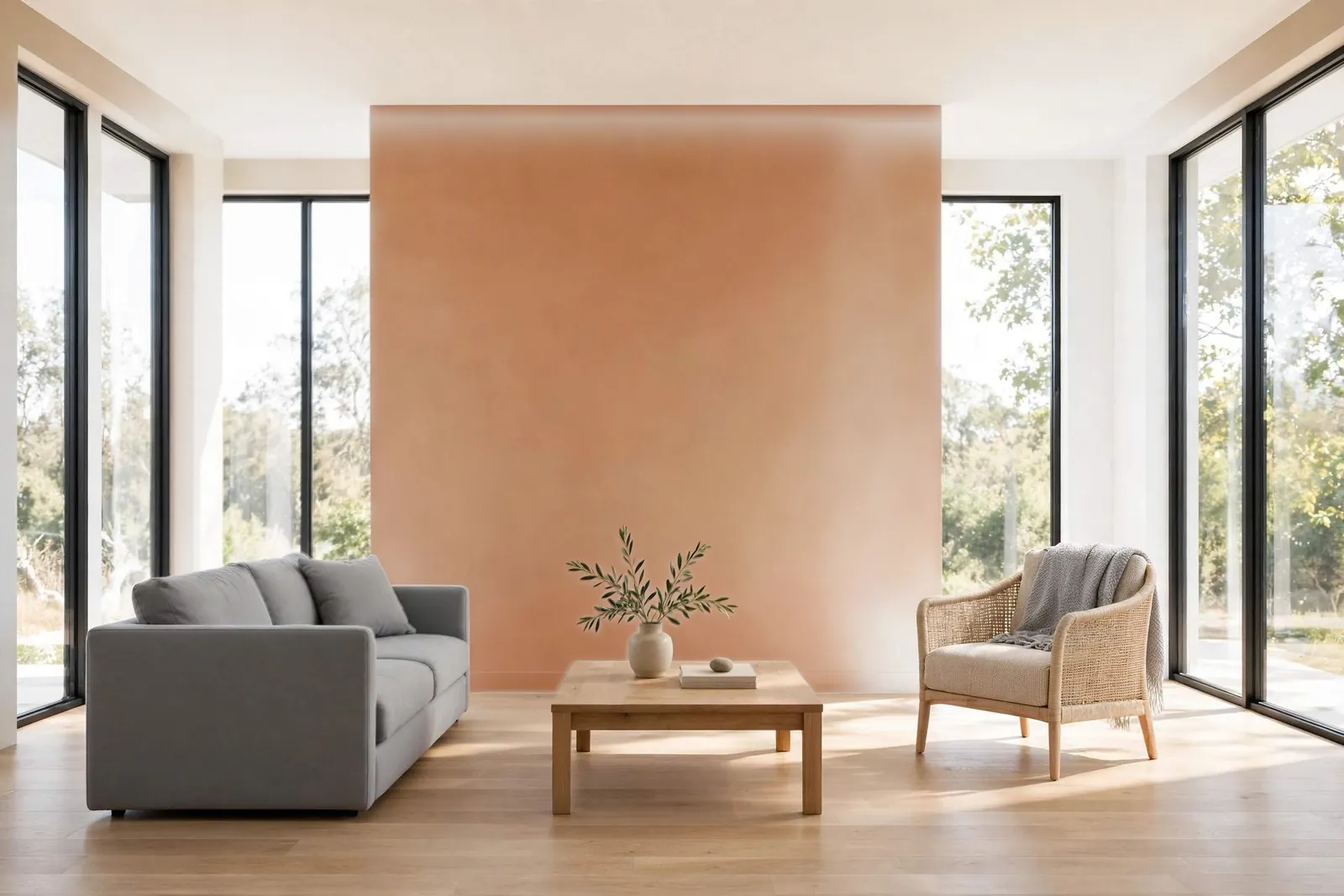
Shinier paint reflects more light, which means it shows more — more texture, more patching, more imperfection. Flat paint hides; gloss reveals. That is why walls get eggshell and trim gets semi-gloss: walls are big and imperfect, trim is small and meant to be noticed.
Here is how a working painter specs it, room by room. These are rules of thumb, not commandments — the condition of the surface can overrule any of them.
- Entry, hallway, mudroom, stairs: satin. These are the touch zones — hands, bags, boots, dogs. Eggshell looks classier on day one and tired by year two.
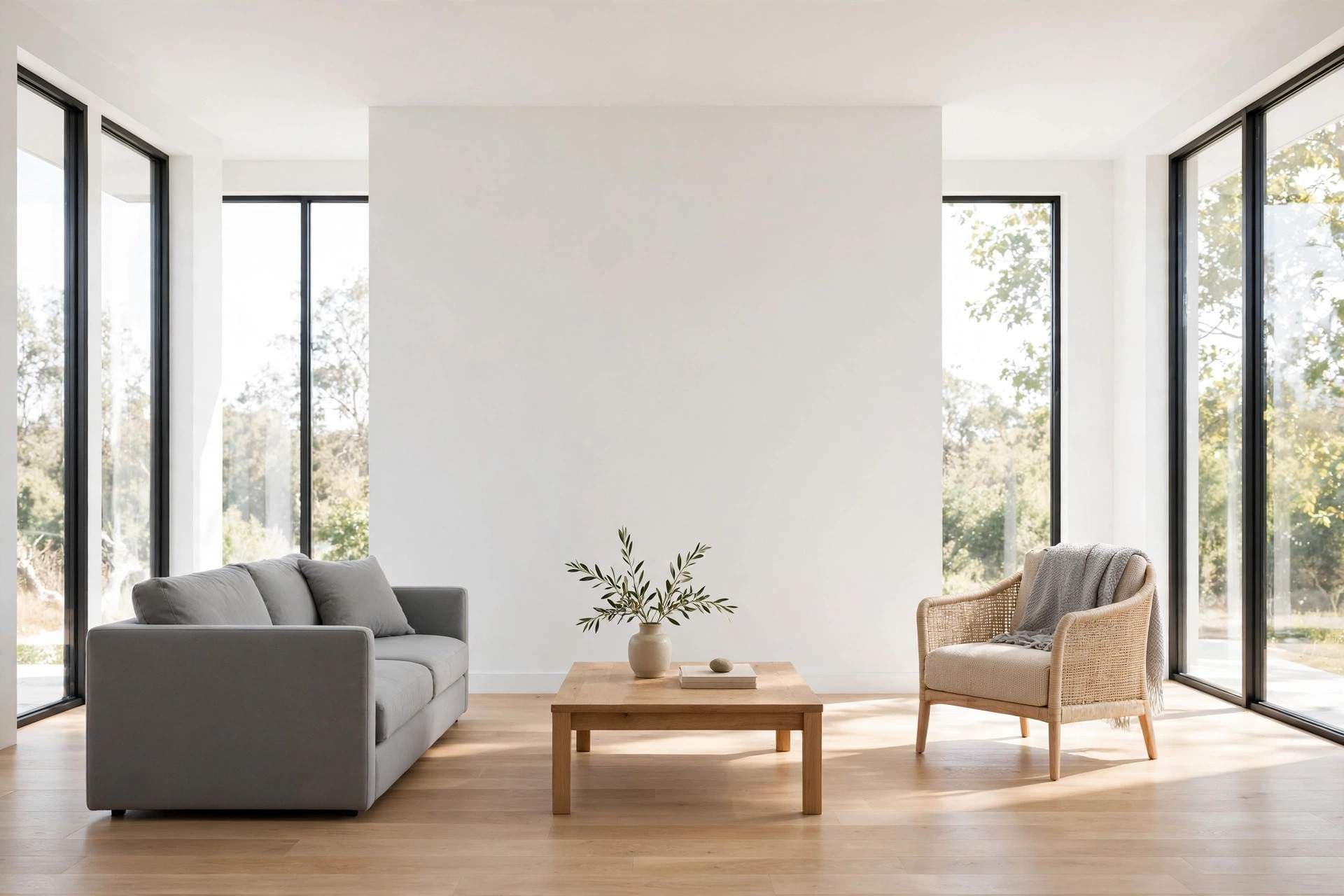
- Living room and dining room walls: eggshell. Enough sheen to wipe a scuff, flat enough to forgive drywall that was never perfect.
- Bedrooms: eggshell — or flat if the walls are wavy and the room is low-traffic. A calm room with imperfect drywall looks better in flat than in a sheen that spotlights every wave.
- Kids' rooms: satin. This is not about taste, it is about washability — crayon, fingerprints, mystery smudges. Satin lets you scrub without burnishing a shiny patch into the wall.
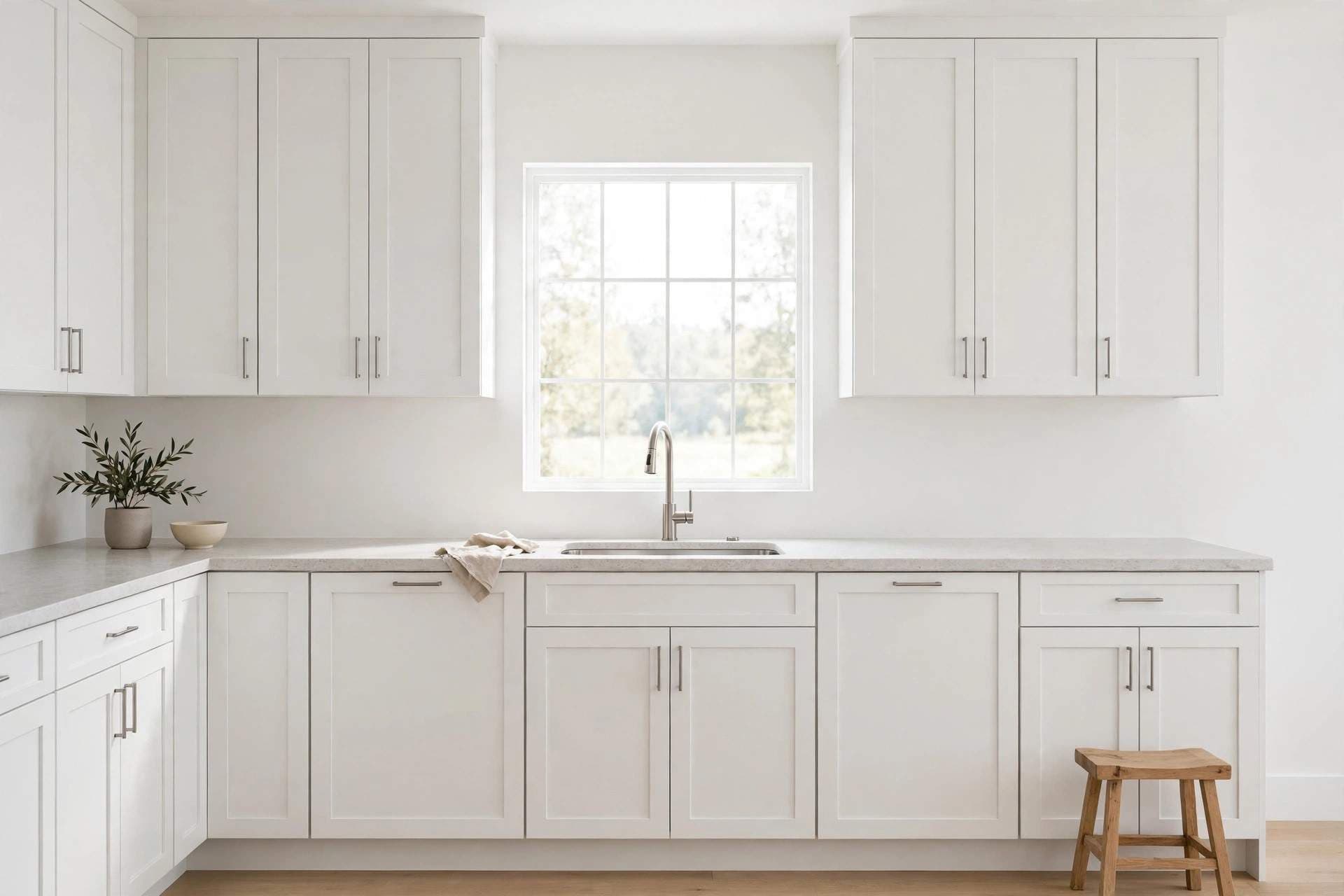
- Kitchen walls: satin. Steam, grease, splatter — a kitchen wall earns its sheen.
- Bathroom walls: satin, or a product formulated for moisture — formulation matters more than the sheen name. Benjamin Moore's Aura Bath & Spa is a matte finish engineered for high-humidity bathrooms, so 'never use flat in a bathroom' is a product myth, not physics. That said, standard flat paint in a steamy, poorly ventilated bath is still a bad idea: the film never fully dries between showers, and the first time you scrub a mark you take paint with it.
- Bathroom and kitchen ceilings: not standard ceiling flat. Use a washable matte or satin rated for moisture — steam finds every weakness flat paint has.
- Laundry room: satin — humidity, lint, and the occasional detergent splash.
- Home office: eggshell. You stare at these walls on video calls all day; eggshell keeps the background calm, while satin's shine can read as glare on camera.
- Basement: satin on the walls if there is any hint of dampness; eggshell is fine in a dry, finished basement. Below-grade rooms punish flat paint with mustiness.
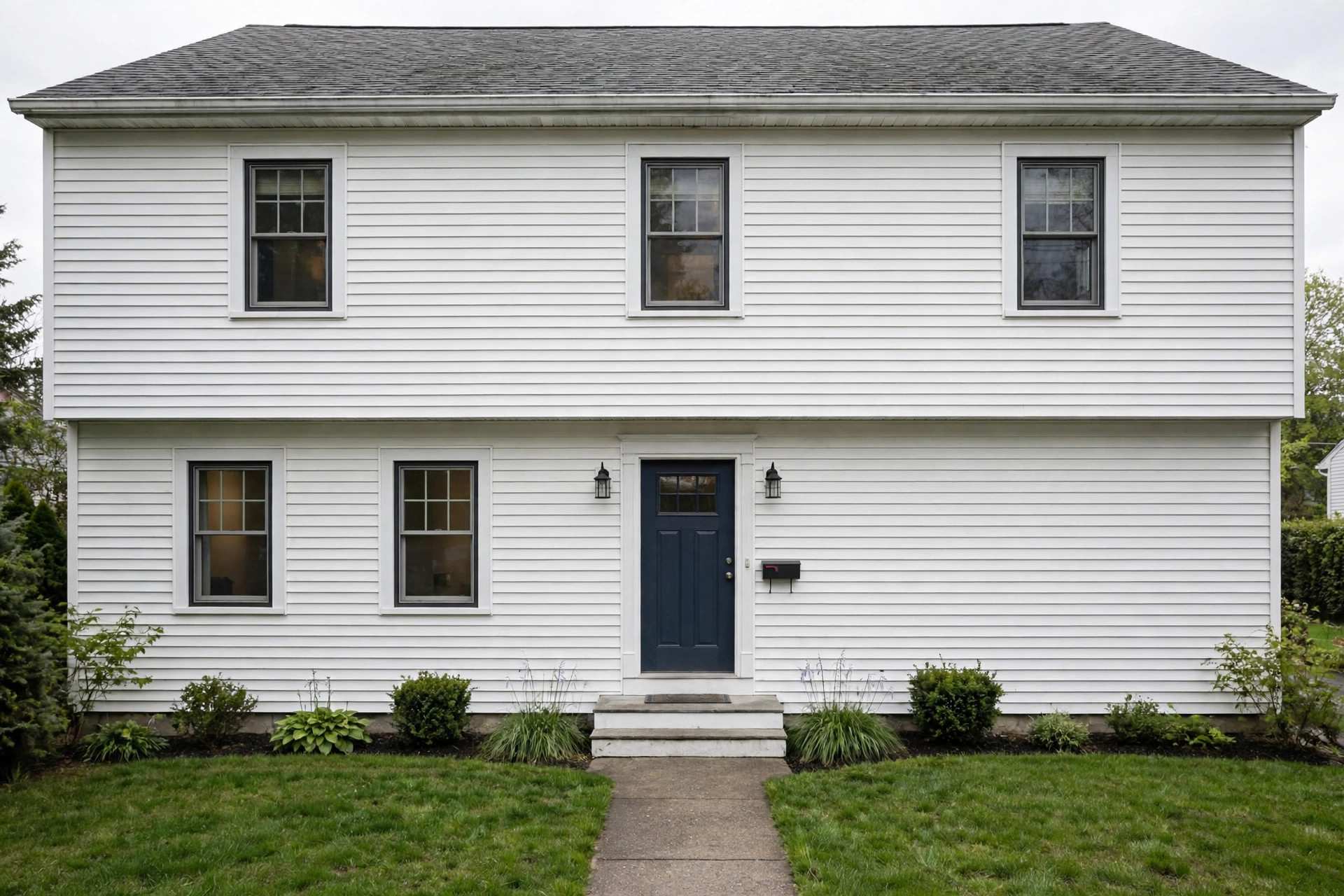
- Trim, doors, baseboards, window casings: semi-gloss, always. Crisp edges, scrubbable, and it frames the wall colour instead of blending into it. The one exception: very old, wavy trim in a heritage house, where satin hides the waves better.
- Closet interiors: flat is fine. Nobody inspects a closet, and flat is forgiving and economical.
- Front door: semi-gloss at minimum. It takes weather and hands all day; give it the toughest film on the house.
The same eggshell looks different at 9 a.m. and 9 p.m., and Calgary's light is its own character: high altitude, intense sun, long summer evenings, and flat grey winter days that can last for weeks. Sheen is how the room negotiates with that light.
- Test on boards, not on the wall. Paint two coats on a large sample board, move it around the room, and look at it in morning light, noon light, and lamplight. A colour you love at noon can go muddy under warm bulbs — and the sheen is half of that story. A south-facing room at 4 p.m. makes satin glow and eggshell look rich; the same satin in a north-facing bedroom can read cold.
- Sheen shifts the colour itself. A higher sheen makes a colour read slightly darker and more saturated, because you are seeing light reflected off the film, not just the pigment. If a sample looks perfect in flat and you are painting it in satin, expect a little more punch than the chip promised.
- Big rooms want calmer sheens. A large open-plan space in satin can feel like a showroom; eggshell keeps it residential. Small, dark rooms are the opposite — a touch of sheen bounces around what little light there is.
Related reading See colours and sheens on your own walls — try the Colour Studio
The expensive mistakes
The Calgary wrinkle
Does sheen change the price?
- Standard flat paint in a steamy, poorly ventilated bathroom or laundry: moisture soaks in, mildew takes hold, and the first scrub burnishes a shiny spot into the wall that never matches again. (Bathroom-engineered matte products like Aura Bath & Spa are the exception — they are formulated for exactly this.)
- Semi-gloss on lumpy drywall: every patch, seam and roller lap becomes a little mirror. If the walls are wavy, drop a sheen level — don't raise one.
- One sheen for the whole house: it reads institutional, and it is wrong half the time — too shiny where you want calm, too dull where you need wipeability.
- One coat on the trim: sheen needs film build to look right. A single coat of semi-gloss over old trim looks streaky no matter how good the product is.
Our winters are dry and our summers bring dust. Satin in high-traffic areas is not a luxury here, it is maintenance math: a wall you can wipe down is a wall you do not repaint in three years.
The dry winter air is actually good news for interior paint — it cures fast and hard. The enemy is dust: summer construction season plus dry air means particles floating around during application. We keep the work area clean while we paint, because dust settled into a satin finish is permanent texture you did not order.
Barely. The sheen itself does not move the number in any meaningful way — the labour is identical whether the can says eggshell or satin. What moves the number is the grade of the product and the condition of the surface underneath it. If a quote charges you a premium for 'upgrading' the sheen, ask what is actually changing. Usually it is the paint line, not the shine — and you deserve to know which.
Related reading What actually moves a painting quote — what it costs to paint a house in Calgary
What we do on your job
We spec the sheen per surface in the written scope — not one finish for the whole house. If a wall needs flat because the drywall is wavy, we will tell you, even though it costs us nothing either way.