What drives the price
How the preliminary estimator on this site thinks
- Preparation. Scraping, patching, caulking and priming are most of the labour on a repaint. A quote that skips prep is not cheaper, it is shorter-lived.
- Access. High walls, steep lots and delicate landscaping all cost time, and time is the price.
- Condition. Sound paint over sound paint is fast. Peeling, chalking or bare wood multiplies the hours.
- Scope honesty. Two coats over primer is a different job than a single coat — make sure you are comparing the same thing.
Our online estimator gives you a preliminary range in under a minute. It is not a quote — it is the same logic a painter uses to sanity-check a number, and it is worth understanding, because it shows you exactly what moves a price. Every figure below is preliminary and pre-visit; sufficient photos (for a simple project) or a free site visit (for larger or uncertain scopes) turn a range into a written number.
Related reading Try it yourself — the free estimate tool
Interiors start from the room. Walls in one average room are the base; ceilings and trim are separate line items, because painting them is genuinely separate work — different setup, different cutting-in. High ceilings multiply the labour.
Then condition adjusts everything: walls in good shape price at the base, minor wear adds roughly 15%, and poor condition — heavy patching, failing old paint — adds roughly 35%. That condition multiplier is the single biggest lever in the whole model, and no online form can assess it well. That is why the visit exists.
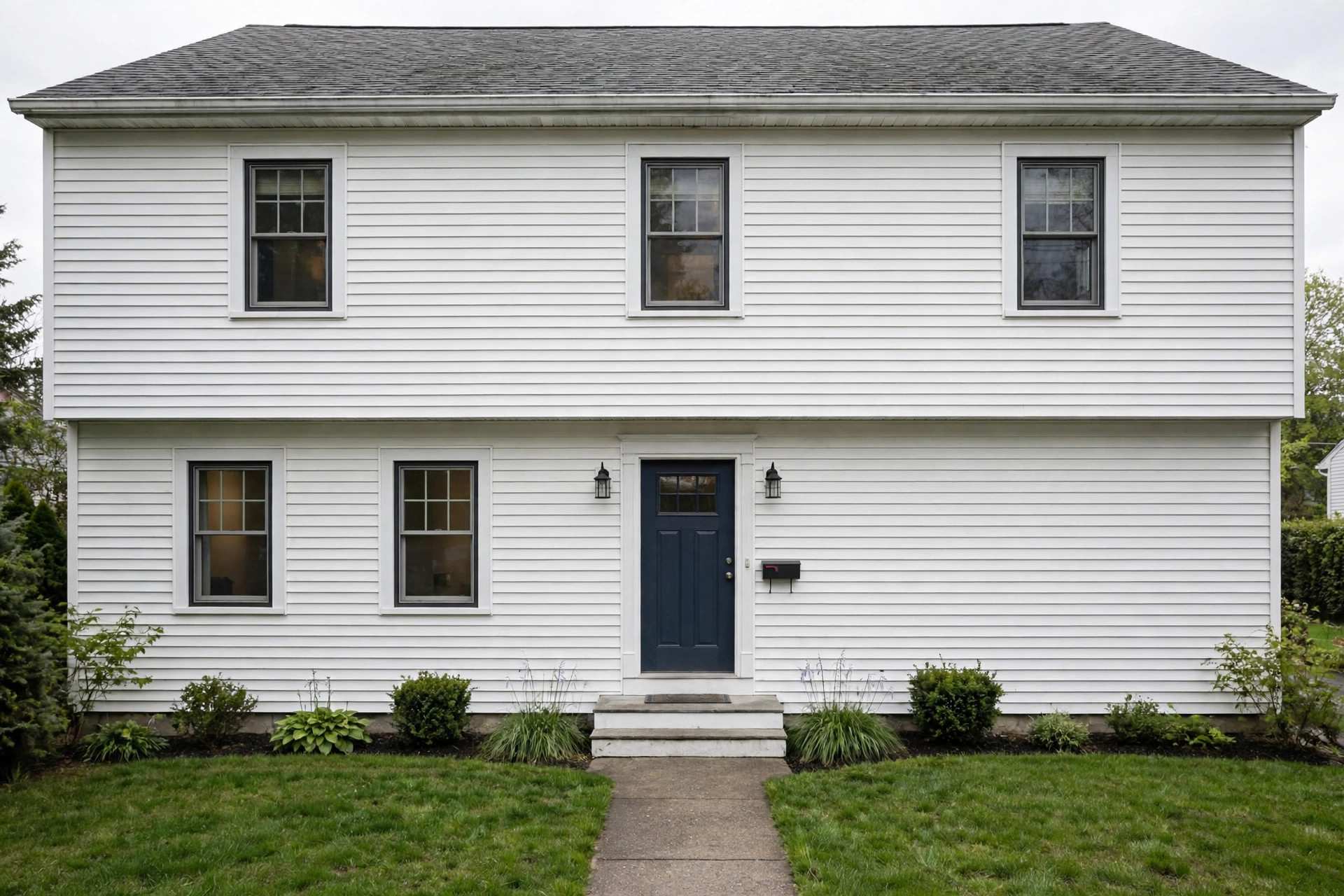
Exteriors start from the size of the house: a per-storey rule of thumb, or a per-square-foot figure for larger homes — and the per-square-foot number only ever moves the price up from the storey figure, never down, so big houses are not subsidised by small ones. Then three multipliers: siding — basic siding is the base, while stucco, brick and wood each add their share, because they drink more paint and demand more prep; condition — a weathered exterior in poor shape can multiply the base by nearly half again; and scope — body-only is roughly 70% of a full exterior and trim-and-soffits-only roughly 35%, because that is honestly how the labour splits.
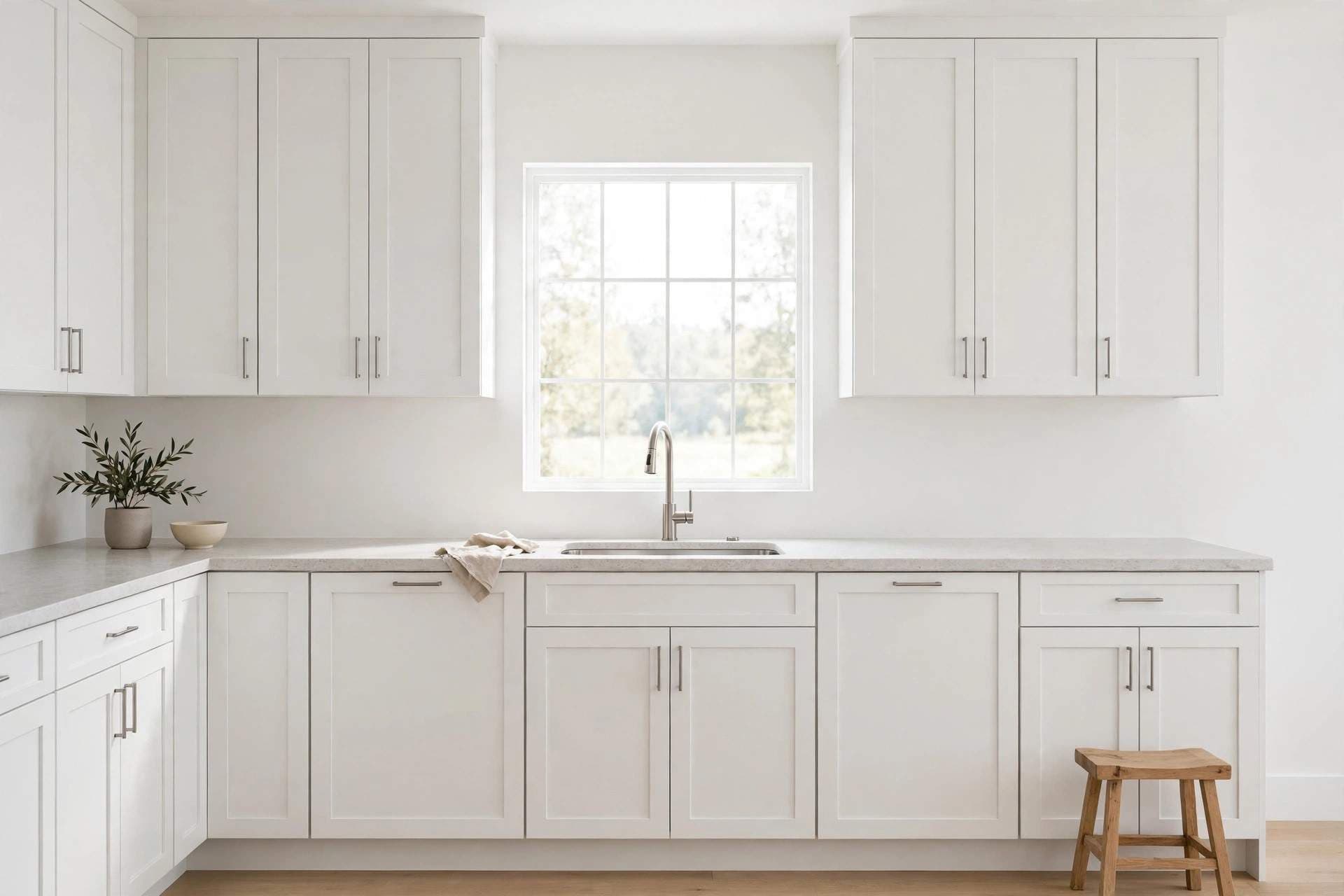
Fences price by the linear foot — one side or two — adjusted for condition, because a weathered grey fence needs real prep before it takes finish. Cabinets price per door and per drawer: wood is the base, laminate and melamine cost more because the prep and the products are fussier, and rough cabinets add their share for degreasing and repairs.
Every range carries an uncertainty band of about 18% either way around the base, and the whole thing floors at a $500 minimum job charge before GST — there is a real cost to showing up with ladders, drops and a sprayer, and a five-foot fence does not get cheaper than that. GST applies on top. The Essential / Signature / Heritage tiers on the results screen are the same maths with the base moved up: Signature moves the paint line up to a premium scrubbable finish, Heritage to the top-shelf line with a free colour consult and an accent wall included.
Worked examples from the estimator
What the visit changes
This is what the estimator actually returns for typical answers — preliminary, pre-visit, and labelled that way on screen:
- Three rooms, walls only, good condition: about $1,000–$1,540.
- Three rooms with ceilings and trim, minor wear: about $1,830–$2,700.
- Two-storey full exterior, basic siding, good condition: about $4,240–$6,180.
- 100 feet of fence, one side, good condition: about $890–$1,330.
- Kitchen cabinets — 12 doors and 8 drawers, wood, good condition: about $1,320–$1,940.
Change any answer and the range moves — that is the point. The estimator is not guessing; it is showing you its working. What it cannot see is the condition of your actual surfaces, which is why the final number is written only after we have seen the job — from sufficient photos for a simple project, or at a free site visit for a larger or uncertain scope — never before.
The estimator is upfront about what it assumes — and the visit is where the biggest assumption gets checked: condition. Prep is the number-one thing that moves a price on visit day. Scraping, patching, sanding, caulking and priming are most of the labour on a repaint, and no form can feel how much of it your walls need. Access matters too — high walls, steep lots, delicate landscaping all cost time, and time is the price. And some things only eyes find: water staining that needs sealing before it bleeds through, hail damage on the sunny side, a previous paint job that is already letting go.
Drastic colour changes can add a coat — going from dark red to white in two coats is not realistic, and an honest painter tells you so at the visit rather than surprising you with it mid-job. That is exactly the kind of thing the written scope is for.
Ranges, not prices
Red flags in a quote
Any number given before we have seen the job is a range, and an honest painter labels it that way. Our estimator gives you a preliminary range in under a minute — then sufficient photos (for a simple project) or a free site visit (for a larger or uncertain scope) turn it into a written scope with a real number attached.
- Never trust a fixed price that cannot show you its assumptions.
- Prep, coats and products are spelled out — not just a total.
- Pressure to decide today. A fair price does not need same-day urgency.
The cheapest quote is the one you only pay once. Ask what is in writing, how many coats, and what happens if something fails — then compare answers, not just totals.
A preliminary range that shows its assumptions is the opposite of a red flag — it is what makes comparison possible. Our estimator is built from your answers on screen, and it becomes an exact written price only after we have seen the job — from sufficient photos, or at a free visit.
Related reading The seven questions that reveal everything about a contractor — what to ask before hiring a painter